

Introduction: From Vietnam’s Acacia Plantations to Engineered Wood Products
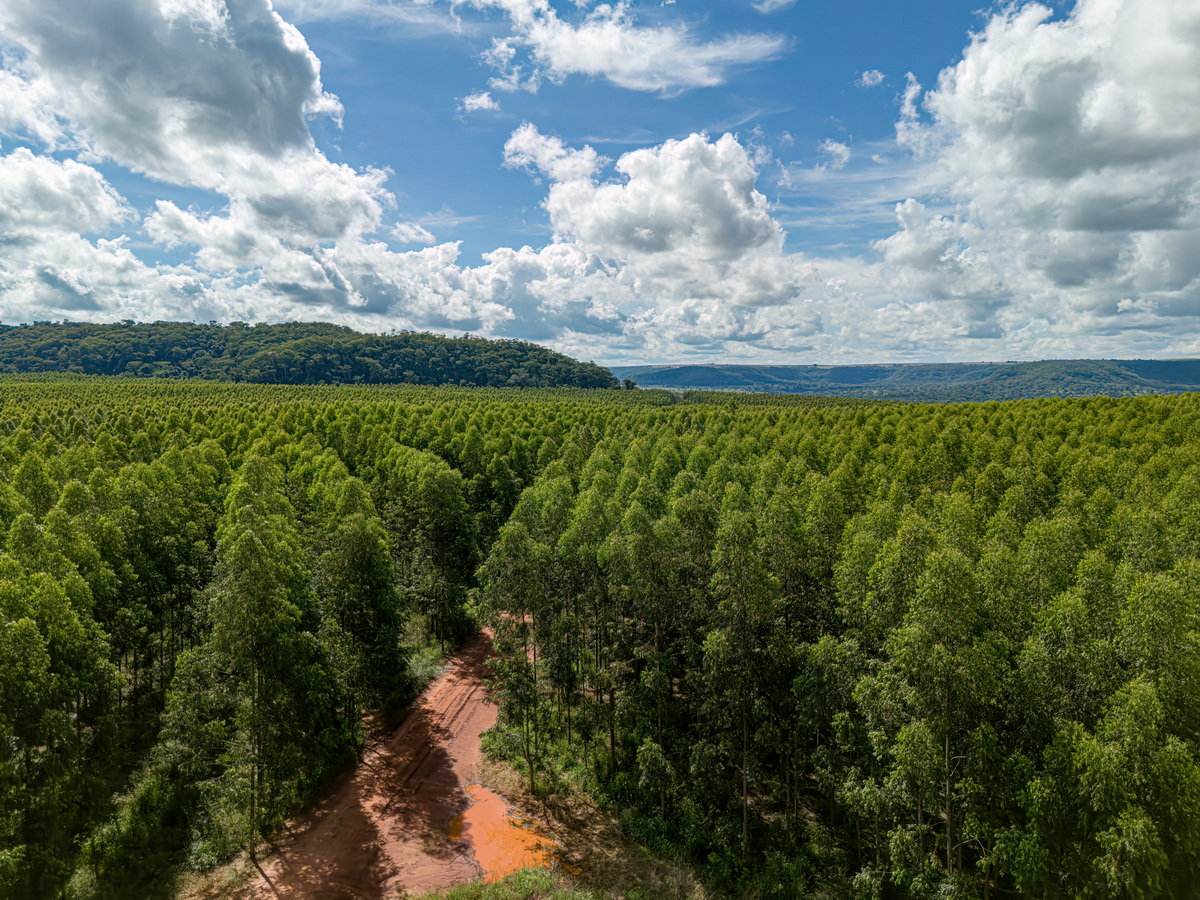
Acacia has become one of the important plantation timber resources in Vietnam, supporting rural livelihoods and supplying raw materials for the country’s wood-processing industry. With an extensive plantation base and an established processing supply chain, Vietnamese acacia is widely used in wood-based panels and other industrial products.
One valuable application is Anti-Slip Film Faced Plywood, a plywood panel designed for applications requiring both load-bearing performance and a slip-resistant surface.
By combining acacia veneer with a textured phenolic film and suitable bonding technology, manufacturers can produce plywood for truck floors, container flooring, scaffolding platforms, ramps and industrial walkways.
1. Why Is Acacia Wood Suitable for Plywood?
Acacia is a plantation-grown hardwood valued for its availability, workable veneer structure and balance between strength and production cost. These characteristics make it a practical raw material for plywood manufacturing.
Relatively high density
Acacia wood can provide a relatively dense plywood core. Higher density is often associated with greater stiffness and strength, although actual performance also depends on veneer quality, wood species, panel construction and bonding.
In a plywood panel, properly selected acacia veneers help create a solid core that can distribute loads across multiple layers.
Good stiffness and bending performance
When a plywood panel is subjected to loads, it may bend or deflect. Acacia’s mechanical properties can contribute to the stiffness of the finished panel, helping it resist deformation under suitable loading conditions.
The final bending strength depends on the complete panel structure, including veneer thickness, grain direction, adhesive quality and manufacturing control.
Suitable for layered plywood construction
Plywood is manufactured by bonding thin wood veneers in alternating grain directions. This cross-laminated structure helps distribute loads across the panel and reduces dependence on the strength of any single veneer.
Acacia can serve as a core or cross-band veneer in this construction, contributing to the panel’s overall structural performance.
A practical and scalable raw material
Vietnam’s extensive acacia plantation resources support a well-established wood-processing supply chain. This availability helps manufacturers source raw materials for industrial plywood production at competitive costs, subject to timber grade, market conditions and traceability requirements.
2. How Does Acacia Support Load-Bearing Performance?
The load-bearing performance of Anti-Slip Film Faced Plywood comes from the interaction between the wood core, veneer arrangement, adhesive bonding and panel thickness.
Acacia contributes to the structural core in three important ways:
1. Resistance to bending
When a panel spans between supporting beams, its stiffness and bending strength influence how much it deflects under a load. Acacia veneers can contribute to these properties when selected and assembled appropriately.

2. Load distribution across layers
The alternating grain directions of plywood veneers help distribute forces across the panel. A well-manufactured acacia-core panel can therefore support loads more effectively than a panel whose veneers are poorly bonded or arranged.
3. Structural integrity during repeated use
Industrial flooring panels may experience repeated foot traffic, rolling loads, vibration and impact. Consistent veneer quality, sound bonding and proper panel construction help maintain structural integrity during service.
It is important to note that acacia wood alone does not determine the maximum load capacity. The allowable load also depends on panel thickness, support spacing, load type, moisture exposure and verified test results.
3. The Role of Anti-Slip Phenolic Film
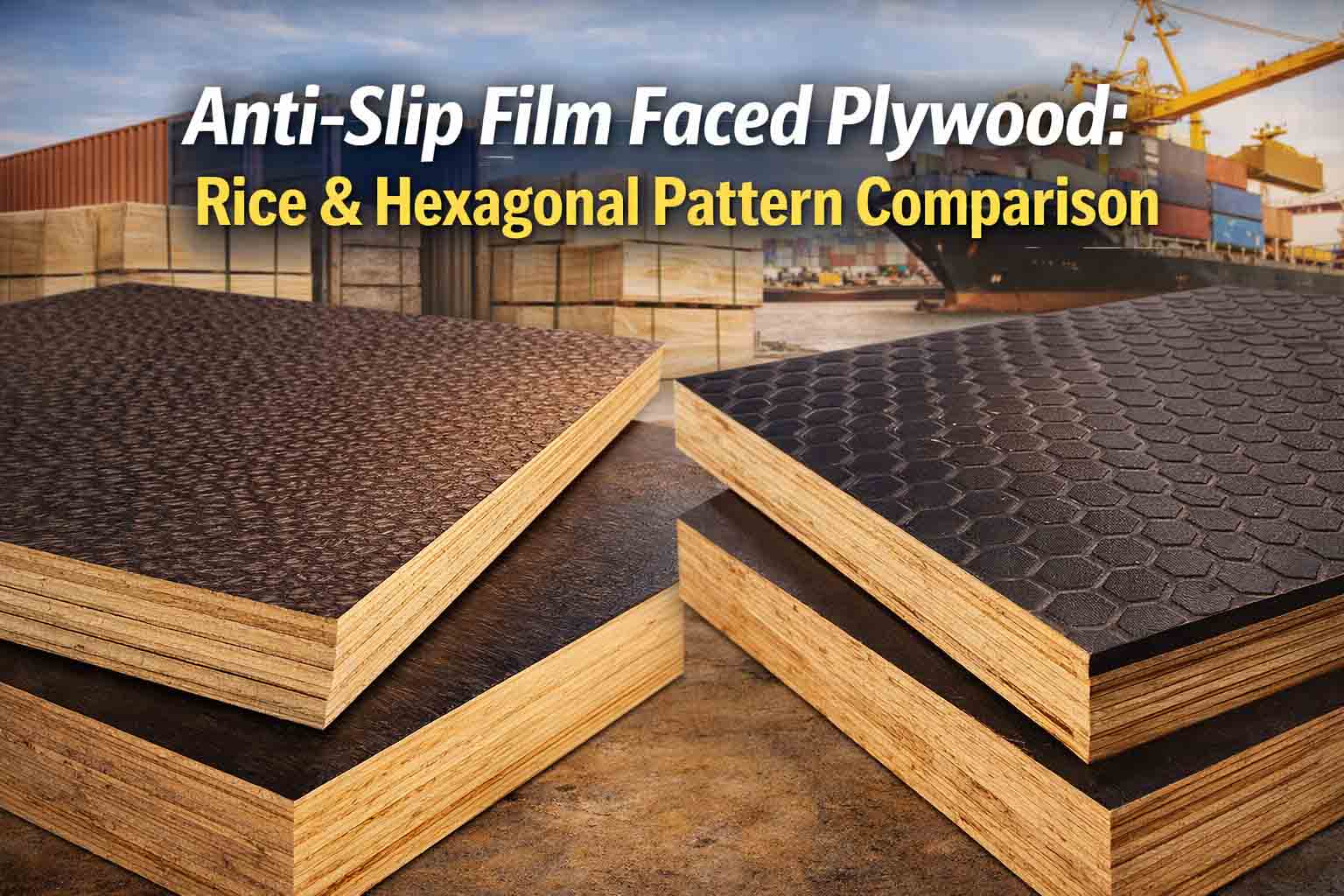
While the acacia core contributes to structural performance, the anti-slip film provides a functional surface for safer movement.
The textured phenolic film is pressed onto the plywood surface using a patterned press plate, creating a raised texture that improves traction compared with a smooth film surface.
Key benefits include:
- Improved slip resistance: The textured surface provides better grip for pedestrians and equipment under suitable operating conditions.
- Wear resistance: The phenolic film helps protect the wood surface against abrasion from regular use.
- Moisture resistance: When combined with an appropriate waterproof bonding system, the panel is suitable for many wet and demanding working environments.
- Practical maintenance: The surface can be cleaned between uses, while proper edge sealing helps limit moisture penetration through exposed plywood edges.
Anti-slip film does not make a surface completely slip-proof. Actual traction depends on the texture, footwear, water, oil, dust and other contaminants.
4. Common Applications of Acacia Anti-Slip Film Faced Plywood
Truck and container flooring
For vehicle and container floors, plywood must withstand repeated loading, vibration and abrasion. Acacia-core plywood can be designed for these demands, provided its thickness, panel construction and mechanical properties meet the relevant flooring specifications.
Scaffolding and working platforms
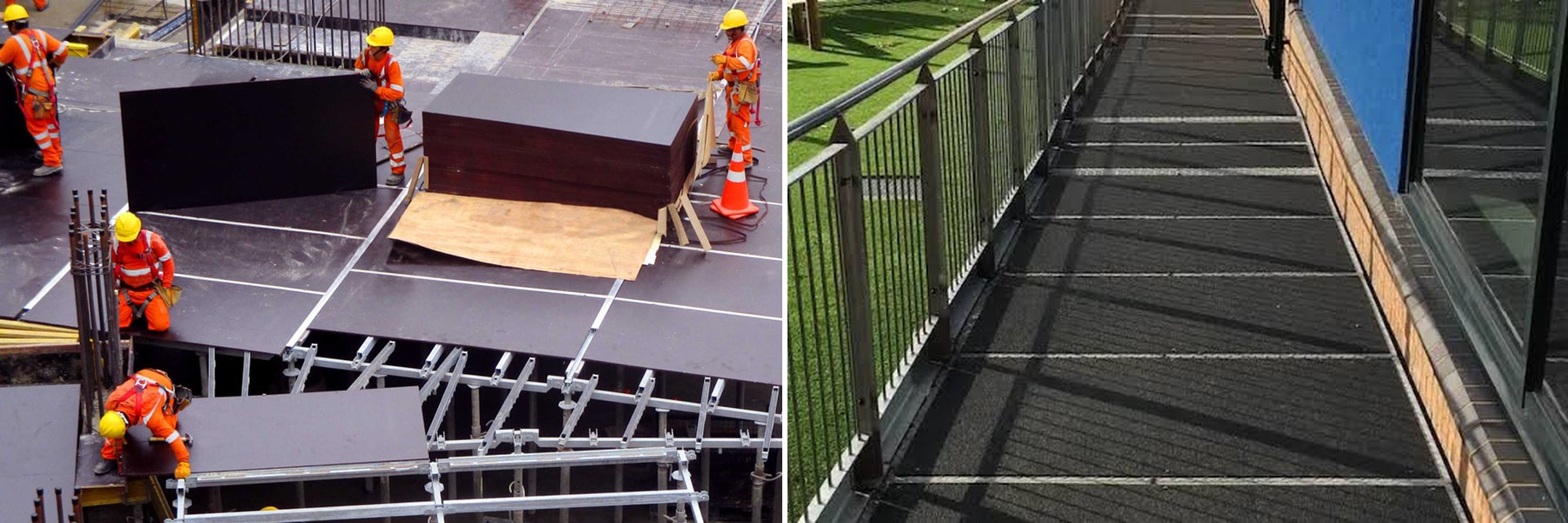
Anti-slip plywood is used for temporary work platforms where workers need a textured walking surface. The panel must be selected according to the platform design, support spacing and applicable safety requirements.
Industrial walkways and access ramps
Factories, warehouses and material-handling areas may use anti-slip plywood to create working surfaces with improved traction. The appropriate panel specification depends on the expected traffic and environmental conditions.
Stage platforms and temporary structures
Anti-slip plywood can also be used for temporary stages, exhibition platforms and other structures that require a durable walking surface.
5. Choosing the Right Acacia Anti-Slip Plywood
The right specification should be based on the intended application rather than wood species alone.
Important factors include:
- Core material: Acacia or a suitable acacia-hardwood combination.
- Thickness: Selected according to the load, support spacing and engineering requirements.
- Surface: Hexagonal or other textured phenolic film, depending on the application.
- Adhesive: Phenolic WBP bonding for applications requiring strong moisture resistance.
- Density and mechanical performance: Verified against the buyer’s requirements and relevant test reports.
- Manufacturing quality: Veneer condition, bonding consistency, thickness tolerance and edge sealing.
- Traceability: Documented wood origin and sourcing information appropriate to the destination market.
For heavy-duty flooring, buyers should request bending-strength, bonding and other relevant test results for the specific product rather than relying on general claims about acacia timber.
Conclusion: Turning Vietnamese Acacia into Functional Industrial Plywood
Acacia is more than a widely available plantation timber. When processed into a properly engineered plywood panel, it can contribute to the stiffness, bending performance and structural integrity required for industrial applications.
Combined with textured phenolic film and suitable waterproof bonding, acacia-core Anti-Slip Film Faced Plywood offers a practical solution for truck floors, container flooring, scaffolding and industrial walkways.
At KeGo, we believe that reliable plywood starts with the right raw materials, consistent manufacturing and product specifications matched to each application.
Looking for Anti-Slip Film Faced Plywood from Vietnam?
Contact KeGo to discuss your required thickness, dimensions, core construction, adhesive system and application. We can help you identify a suitable specification for your project.
Ke Go Company Limited
If you require any further information, feel free to contact me:
Whatsapp/Wechat/Zalo: +84 965 615 346 (Ms. Sue)
Email: sales3@kego.com.vn