

1 – What is Construction LVL?
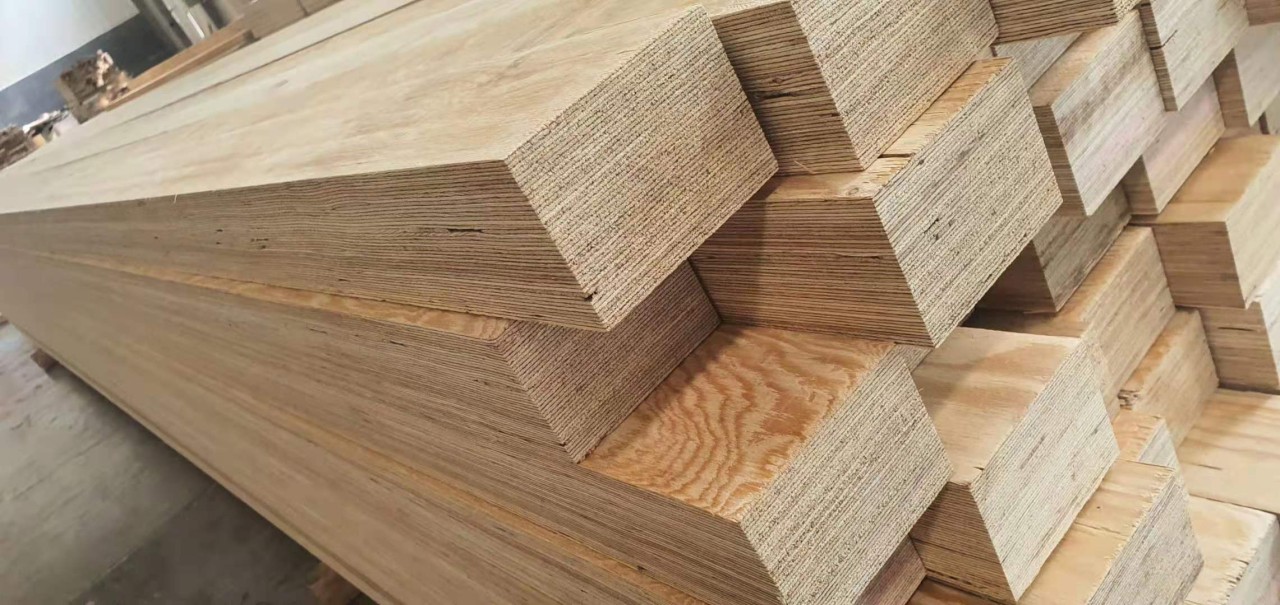
Construction LVL is an engineered wood product used for high-strength, structural applications in building and construction. It is made by bonding together multiple layers of thin wood veneers with durable, waterproof adhesives under intense heat and pressure
2 – What are the key advantages and properties of Construction LVL?
- High Strength and Stability: Because natural defects like knots are removed, LVL has significantly higher strength and stability than traditional sawn lumber.
- Consistency: The tightly controlled manufacturing process gives LVL uniform mechanical properties (strength and elasticity) throughout the entire product.
- Dimensional Versatility: LVL can be produced in very long lengths, far exceeding those of solid lumber. This allows for the creation of long-span beams without the need for splicing.
- Resistance to Warping and Shrinking: Composed of multiple thin veneer layers, LVL is less affected by changes in moisture content. This minimizes warping, twisting, and shrinking.
- High Material Efficiency: The veneer peeling process allows for maximum utilization of timber resources compared to cutting lumber from solid logs.
3 – Applications in Construction
Thanks to these advantages, LVL has become an effective alternative to sawn lumber, steel, and concrete in many areas:
- Beams and Headers: This is the most common application of LVL. It’s used as support beams for floors and roofs, and as horizontal beams over door and window openings.
- Roof Trusses: LVL’s stiffness and durability help create strong and stable roof truss systems, allowing for long spans.
- Scaffolding and Formwork: LVL is used for braces, scaffolding planks, or formwork in construction projects, as it provides excellent load-bearing capacity and ensures safety.
- Other Structural Components: In addition, LVL is also used for columns, flooring, or other structural components.
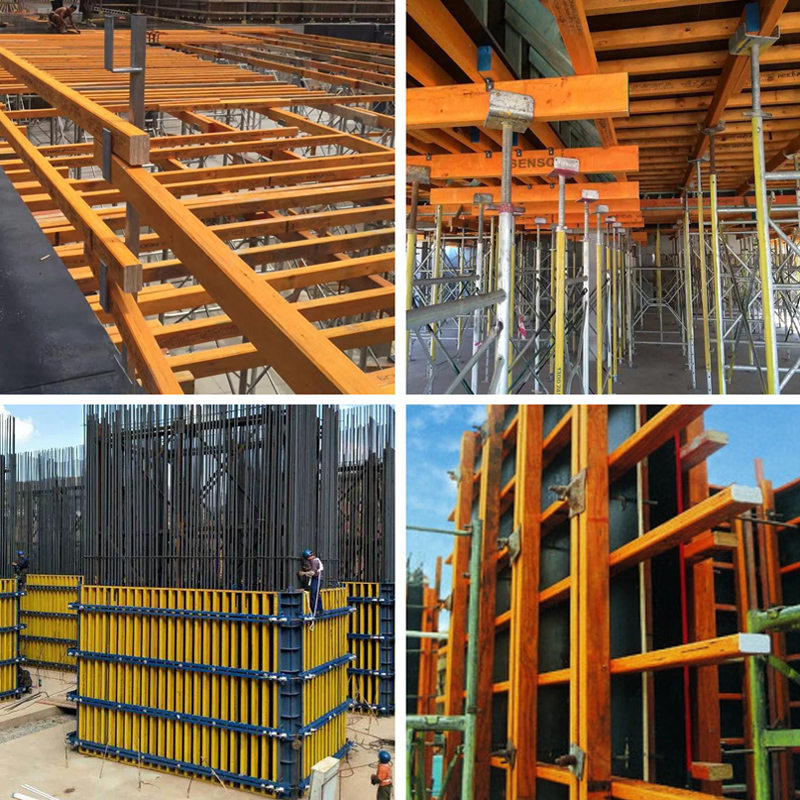
Scaffolding and Formwork
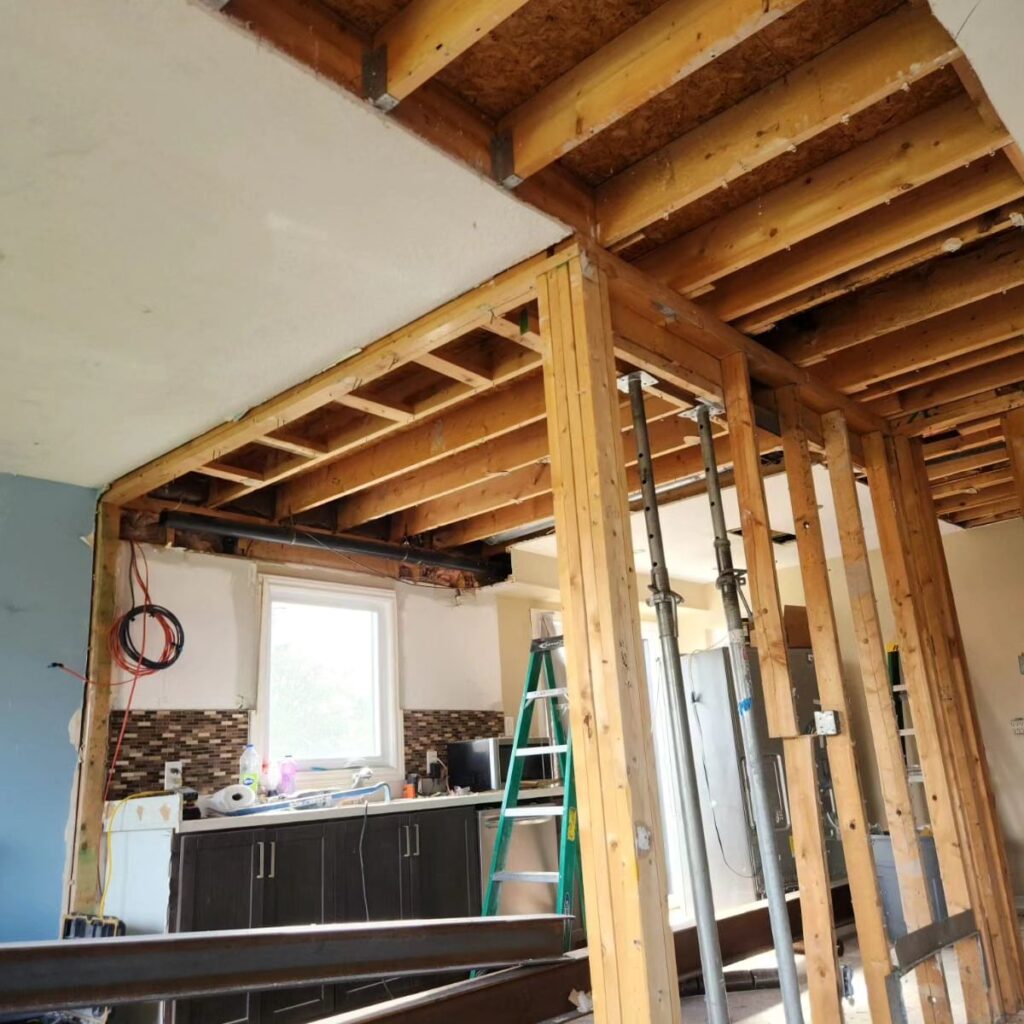
Beams and Headers
4 – Technical Properties
LVL has superior mechanical properties thanks to its special manufacturing process:
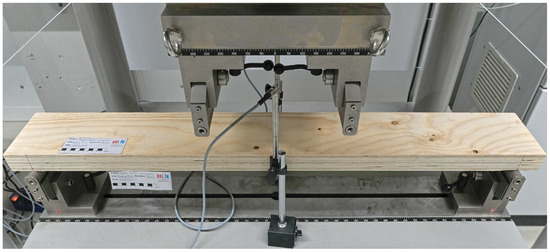
- Modulus of Rupture (MOR): This is a measure of the material’s bending strength, and LVL’s MOR is much higher than that of natural wood.
- Modulus of Elasticity (MOE): This index reflects the material’s ability to resist deformation. LVL’s MOE is higher than that of sawn lumber, allowing it to withstand greater loads without significant deformation.
- Compressive and Tensile Strength: The parallel arrangement of the veneer layers gives LVL high compressive and tensile strength, making it ideal for load-bearing components.
5- Comparison Between Packaging LVL And Construction LVL
Laminated Veneer Lumber (LVL) is a composite wood product made from thin layers of wood veneer that are glued together with all grains aligned. This gives it a cost-effective and reliable strength, making it a popular and preferable material for both packaging and construction.
The similarity between Packaging LVL and Construction LVL
Production process:
Not only packaging LVL but also construction one has the same production process. There are 10 steps to produce laminated veneer lumber:
STEP 1: Cut the log to size.
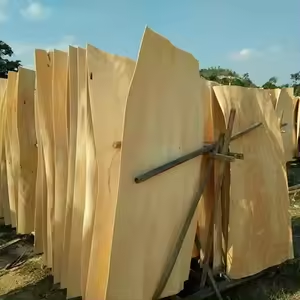
STEP 2: Peeling the Log to the veneer. In this step of LVL Production, peels large log pieces into thin veneer sheets using the rotary peeling technique.
STEP 3: Drying the Veneer. It is very important to the veneers sheets before going to the next process. The thickness of veneers decreases after this process but it is very less.
STEP 4: Grading the Veneer. A, B, C.
STEP 5: Gluing the veneer.
STEP 6: Laying the veneer. In typical manufacture, all veneers are laid up so the grain direction is the same in all veneers.
STEP 7: Hot pressure. After the adhesive process, high heat and pressure are applied. So that all the Layers stick well to each other with Adhesive and make a strong structure. Which lasts for a long time.
STEP 8: Sanding the core (Optional) This step will help the LVL have smooth face in acceptable tolerance of thickness.
STEP 9: Cutting to size.
STEP 10: Packaging.
Material:
Vietnam laminated veneer lumber can be produced from various veneer materials poplar, pine , eucalyptus, rubber, … especially acacia and mixed wood which is popularly grown in Vietnam. Acacia wood is famous for its natural strength, heaviness and durableness. It can be used for any commercial purposes like furniture, packaging, construction and many more.
High strength and good bonding:
Due to the structure of many layers of wood arranged in the same direction, LVL has high strength and great bending strength, easy to bend when needed. Because of that feature, LVL plywood is often used for frame, beams, boards and packing (especially pallet) materials.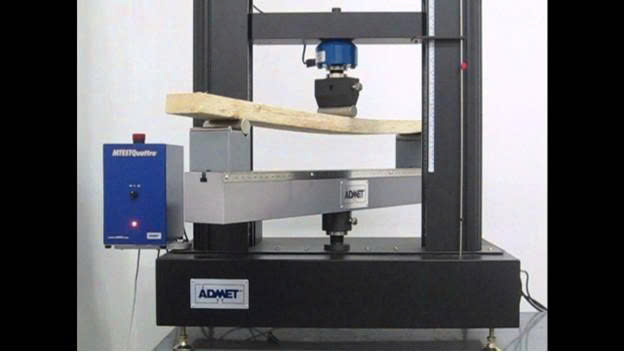
The difference between Packaging LVL and Construction LVL
Specification
Bending Strength (Modulus of Rupture – MOR)
Elasticity (Modulus of Elasticity – MOE)
Adhesive Type
Veneer Grade
Applicable Standards
Construction LVL
High ()
Very High ()
WBP (Water Boil Proof) – Phenolic, fully waterproof
Carefully sorted veneer, with minimal defects
International standards: ASTM D5456 (USA), EN 14374 (Europe), AS/NZS 4357 (Australia/New Zealand).
Packing LVL
Medium – Low ()
Medium ()
MR (Moisture Resistant) or lower-grade as E2
Lower-grade veneer, may have knots or small cracks
No fixed standards: Only follows customer requirements or basic packaging standards.
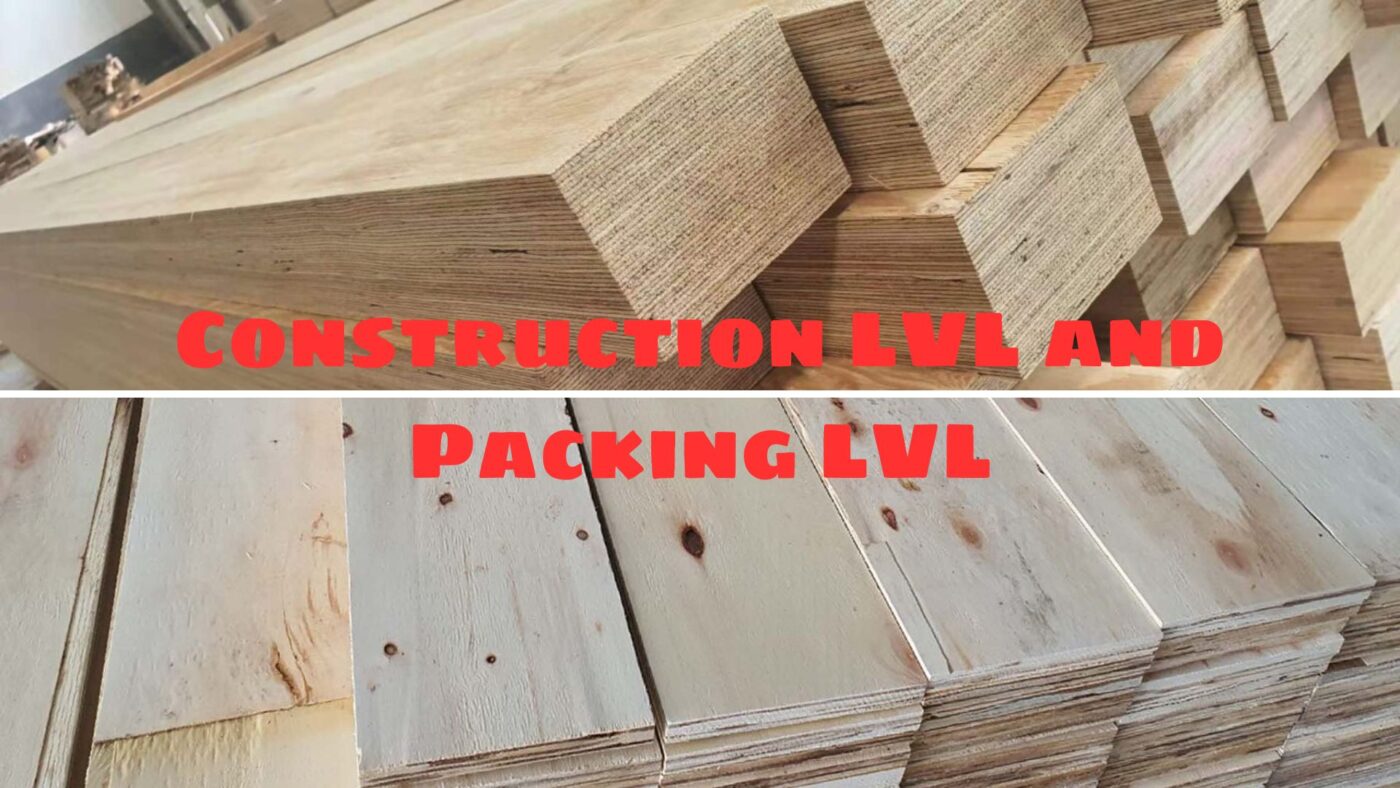
Specifications Comparison – Construction LVL vs Packing LVL
-
Strength & Elasticity (MOR & MOE): Construction LVL has high values for heavy loads; Packing LVL much lower, only for static/impact loads.
-
Adhesive: Construction LVL uses WBP (phenol-formaldehyde), waterproof & heat-resistant; Packing LVL uses MR glue, only basic resistance.
-
Moisture & Density: Construction LVL has low/stable moisture & higher density (stronger, no warping); Packing LVL has higher moisture, easy deformation.
-
Standards: Construction LVL requires strict certifications; Packing LVL usually not standardized, quality varies.
6 – How does LVL compare to other building materials?
LVL is an eco-friendly engineered wood, made from fast-growing species with consistent quality. It reduces waste, resists shrinkage and warping, and offers greater strength and span than conventional lumber ideal for modern construction and prefabrication