

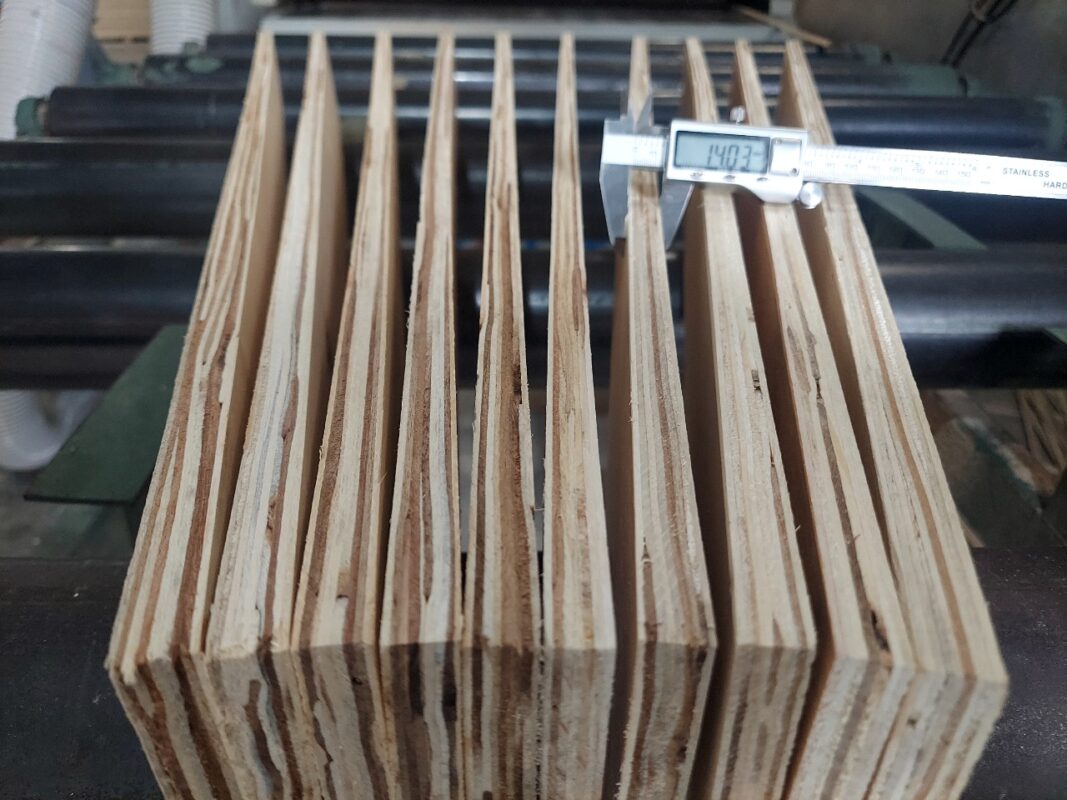
In international transport and industrial packaging, material selection is a critical factor influencing mechanical performance, product protection, and overall logistics cost.
Among engineered wood products, Laminated Veneer Lumber (LVL) often referred to commercially as LVL plywood is widely adopted due to its structural reliability and consistency.
A key technical consideration in LVL manufacturing is the selection of wood species, which directly affects the final product’s performance characteristics.
Technical Overview of LVL plywood
LVL is an engineered wood product manufactured by bonding rotary-peeled veneers under heat and pressure, with all layers oriented parallel to the grain direction. This configuration provides:
- High bending strength and stiffness (parallel to grain)
- Improved dimensional stability compared to solid timber
- Reduced variability and structural defects
As a result, LVL is extensively used in industrial packaging, pallets, and container flooring systems.
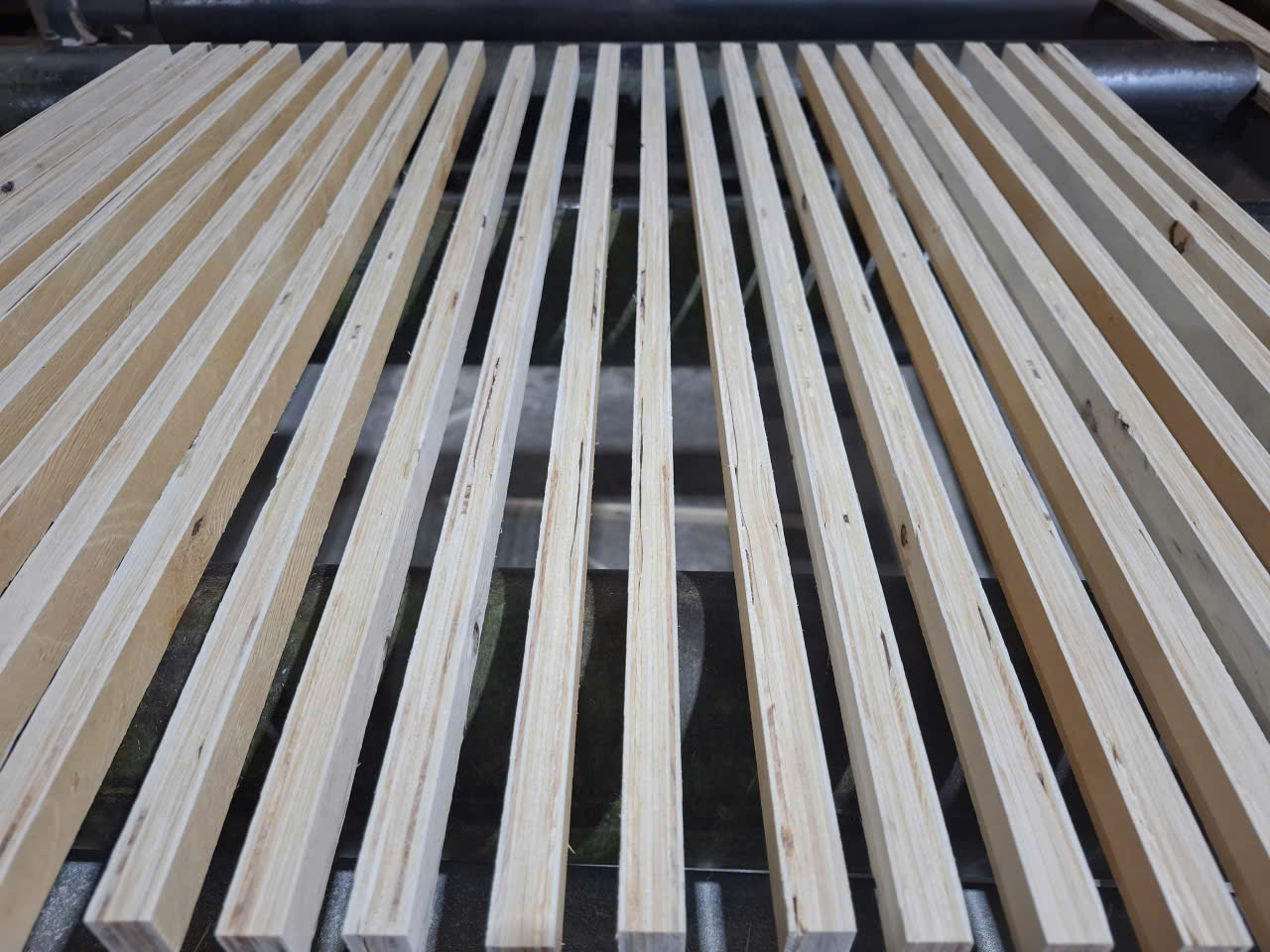
Influence of Wood Species on LVL Performance
The choice of raw material is a determining factor in:
- Mechanical strength and load-bearing capacity
- Density and weight optimisation
- Adhesion performance (glue bonding quality)
- Surface integrity and machinability
Improper species selection may lead to reduced structural performance, bonding issues, or increased production costs.
Common Wood Species Used in LVL Production
1. Acacia spp. (Hardwood)
Acacia is commonly utilised in Asia for LVL manufacturing due to its favourable mechanical properties:
- High density and strength
- Good resistance to mechanical stress
- Suitable for demanding load conditions
=> Typical applications:Heavy-duty packaging, export crates, container flooring cores
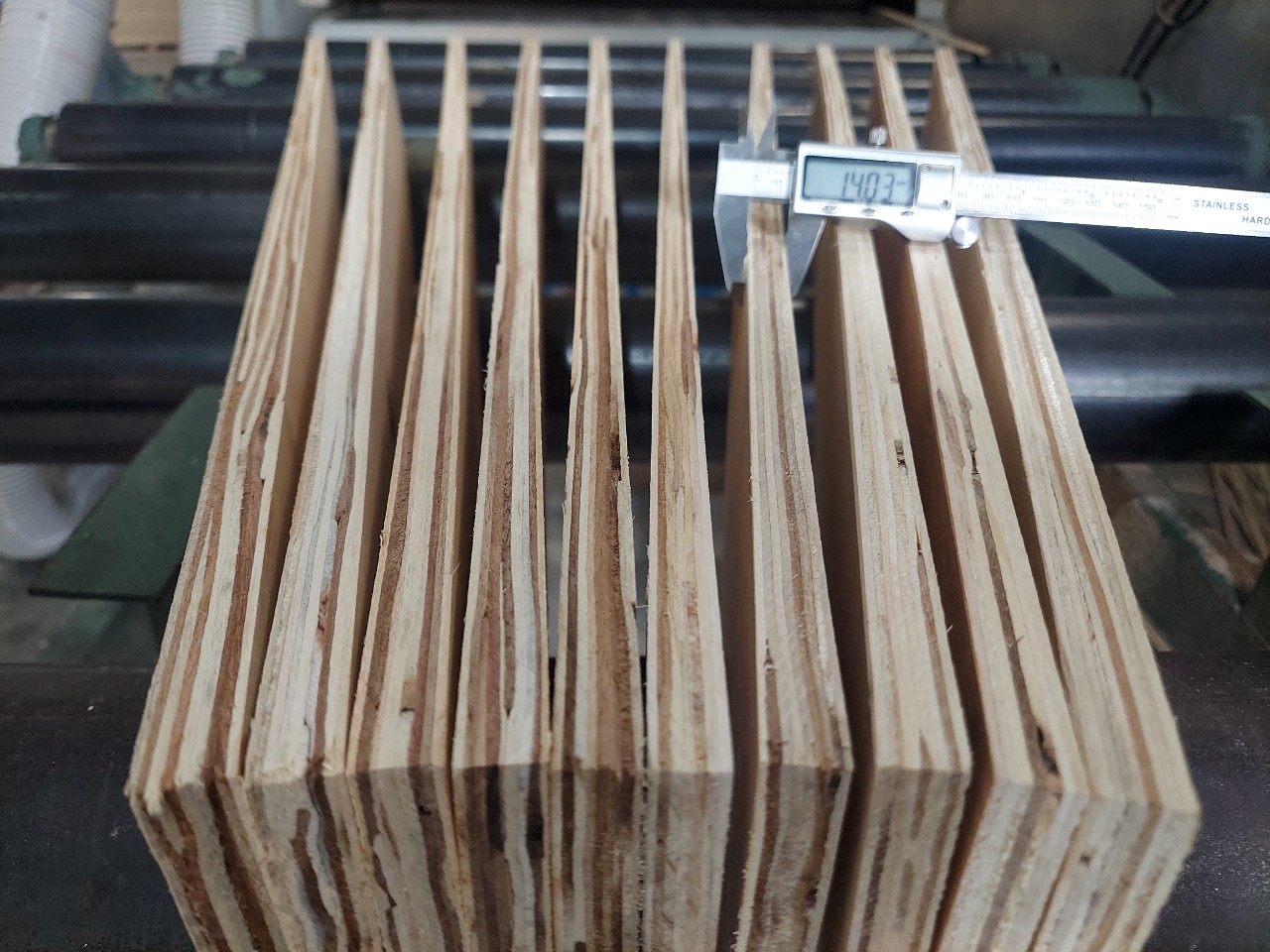
2. Pine (Softwood)
Pine species are widely available and offer consistent structural characteristics:
- Straight grain and uniform texture
- Good dimensional stability
- Ease of processing
However, attention must be given to:
- Resin (pitch) content, which may affect adhesive bonding
- Surface contamination risks if not properly treated
=> Typical applications:Standard packaging solutions with controlled production parameters
3. Mixed Tropical Hardwoods
Species such as Magnolia, Styrax, and Eucalyptus,… are frequently combined:
- Moderate density and mechanical performance
- Flexible sourcing and cost efficiency
- Good workability in production
=> Typical applications:General-purpose packaging and cost-sensitive projects
Selection Criteria for LVL in Packaging
From a technical and commercial perspective, the appropriate material selection should consider:
1. Manufacturing Capability
- Process control (moisture content, pressing parameters, adhesive systems)
- Quality assurance and consistency
2. Raw Material Supply
- Availability and sustainability of timber sources
- Impact on lead time and cost stability
3. Packaging Specifications
- Panel dimensions and thickness
- Load requirements and safety factors
- Compliance with international standards (e.g. ISPM 15, if applicable)
4. Cargo Characteristics
- Weight distribution and fragility
- Transport conditions (distance, humidity, handling frequency)
Performance–Cost Optimisation
Efficient packaging design requires a balance between mechanical performance and economic considerations:
- Acacia-based LVL: preferred for high-load and long-distance applications
- Pine-based LVL: suitable for standardised, medium-duty use
- Mixed hardwood LVL: optimal for cost-driven solutions with moderate performance requirements
A well-informed selection contributes to:
- Reduced risk of cargo damage
- Improved handling and transport efficiency
- Optimised total supply chain cost
Conclusion
LVL represents a technically advanced solution for industrial packaging; however, its performance is highly dependent on the appropriate selection of wood species and manufacturing quality.
Close collaboration with a qualified supplier ensures that the material specification aligns with both technical requirements and commercial objectives.
Contact Information
Ke Go Company Limited
For technical enquiries or quotations, please contact:
- WhatsApp / WeChat / Zalo: +84 965 615 346 (Ms. Sue)
- Email: sales3@kego.com.vn